 Published Jul 17, 2026
  4 min
4 min  96 views
Europe just had its hottest June on record – then broke it again in July. In the USA, nearly half the country was under a heat alert on the Fourth of July. It's the weather that managers are trying to run a business through right now.
To find out, PDFFly surveyed managers and senior managers about how they experience and manage team productivity during the hottest months of the year, covering actual output loss, business impact, whether Gen Z really struggles more with summer productivity than other generations, and the effect of heat on decision-making.
Key Stats:
73% of managers say their team loses some output during peak summer months.
85% of managers suspect their employees fake excuses to grab extra time off in the summer.
49% of managers admit to faking an excuse for themselves to get extra time off in the summer.
69% of managers believe Gen Z struggles with productivity in summer more than other generations.
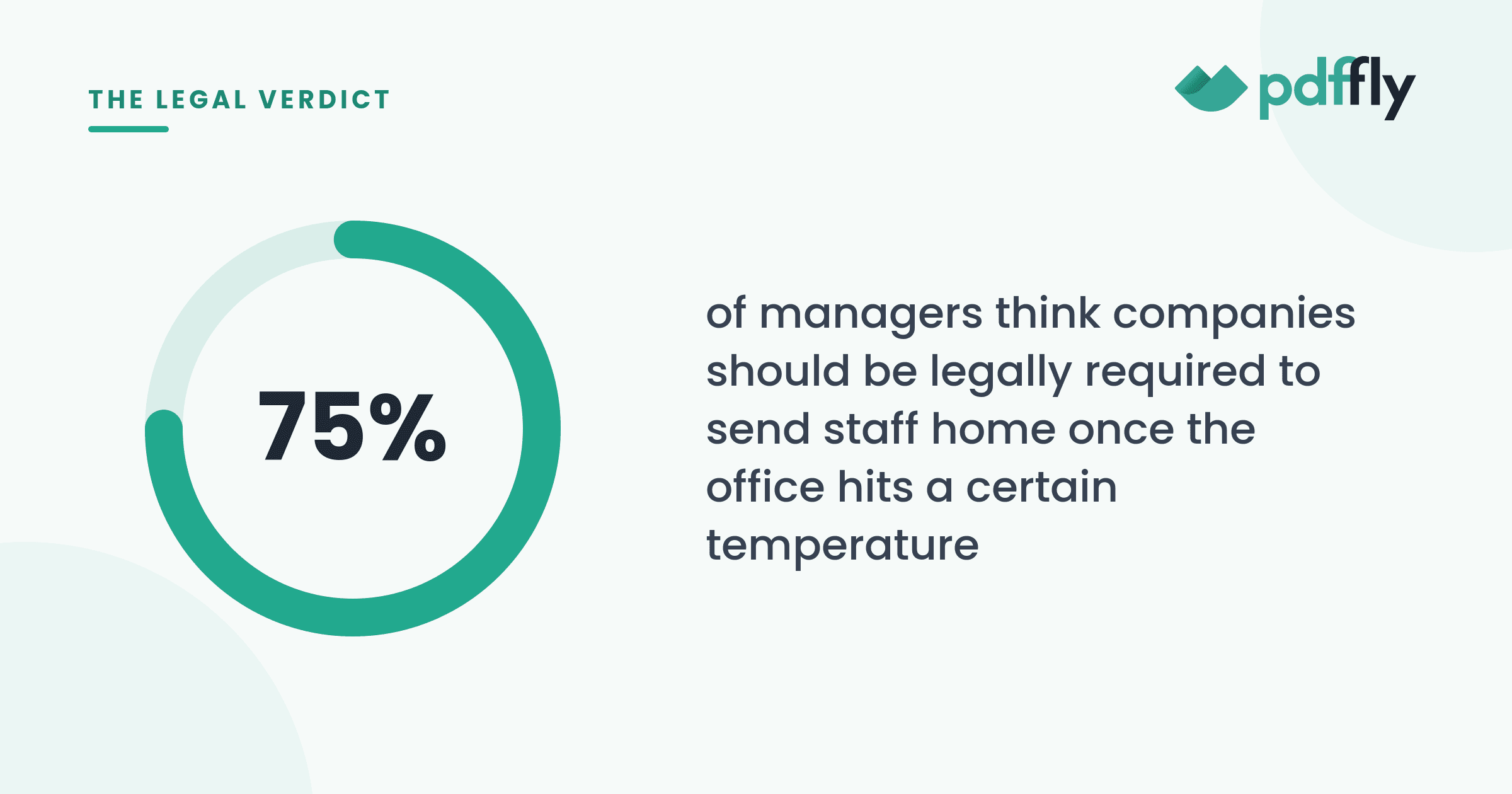
3 in 4 managers think companies should be legally required to send staff home once the office hits a certain temperature.
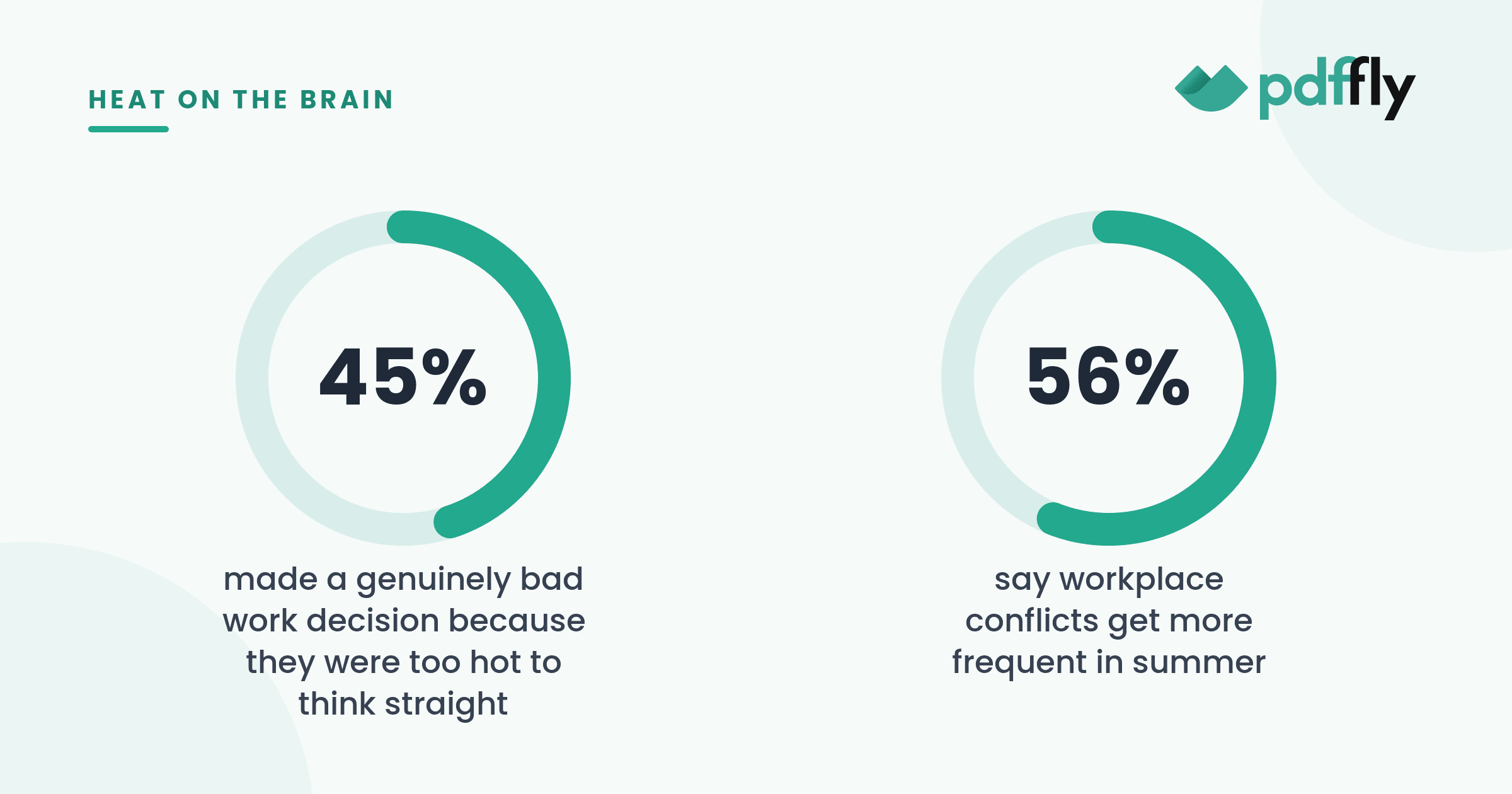
45% of managers admit they've made a bad work decision because they were too hot to think straight.
56% of managers say workplace conflicts get more frequent in summer.
The Productivity Panic Doesn't Match the Profit & Loss
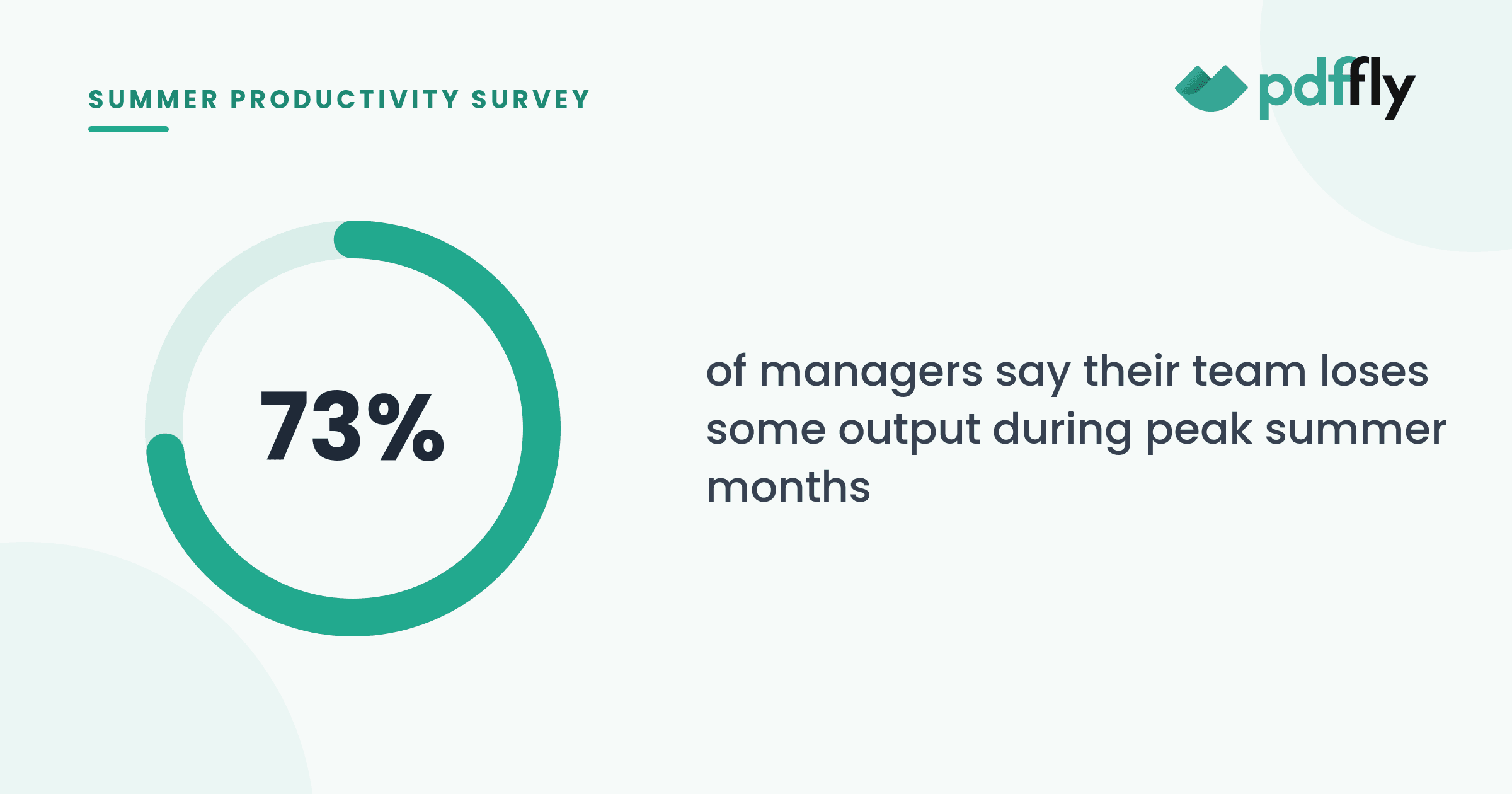
60% of managers say their team's output drops in summer: 18% "significantly," 42% "slightly." Interestingly, 14% say productivity actually improves in summer – proof the slowdown isn't universal, just widely assumed. 73% say the team loses some output during peak months, and more than a third (37%) say the loss exceeds 10%. That's a lot of confessed underperformance. Yet in a separate question, only 27% said any of it actually cost the business – a lost client or missed deal. In other words: the vibes are bad, but the invoices are fine. Most of what gets called a summer "productivity crisis" is a feeling, not a financial statement.
Everyone's a Suspect, Including the Boss
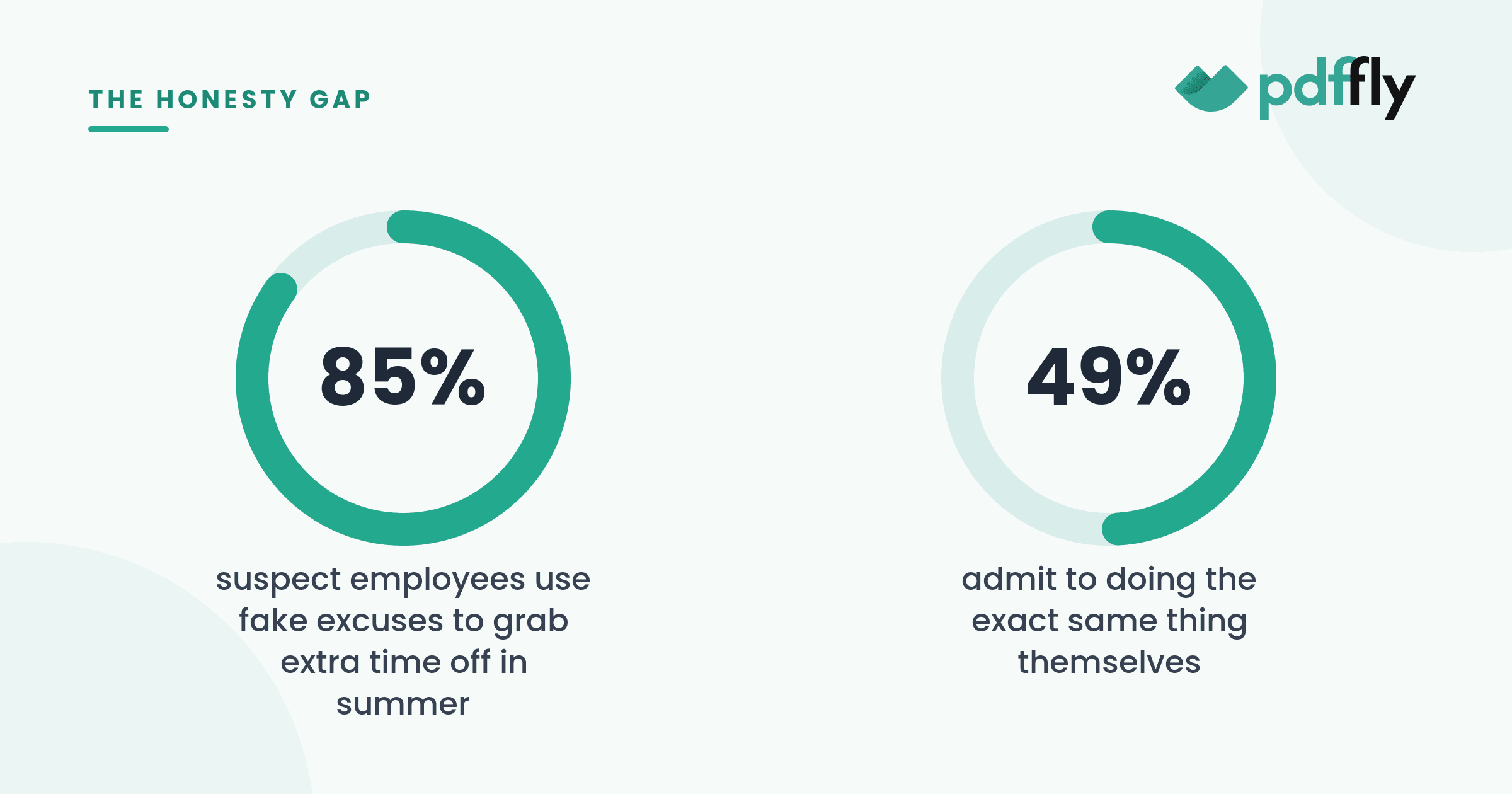
85% of managers suspect their employees use fake excuses: a bogus appointment, a "sick" day, a Wi-Fi outage that never happened, to grab extra time off in summer. However, when we asked managers about their own behavior, 49% admitted to pulling the same move. The popular fake reasons among managers are a "sick" day (30%), an exaggerated family obligation (19%), a phantom appointment (15%), a fake tech issue (7%), or simply logging on and doing nothing (8%).
The Gen Z Perception Gap
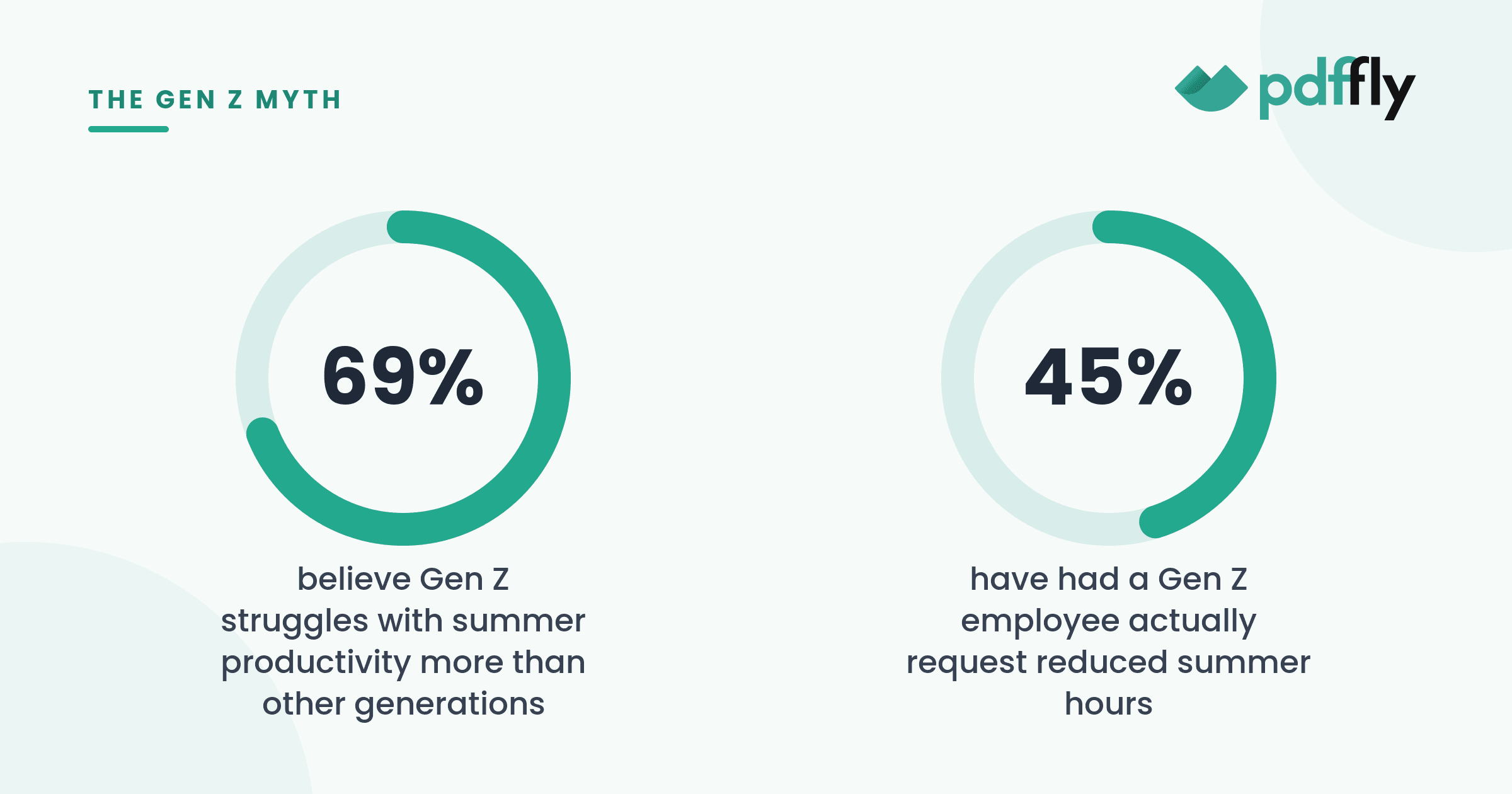
69% of managers believe Gen Z struggles with summer productivity more than other generations: 29% say "noticeably," 40% "slightly." Yet only 45% of managers say a Gen Z employee has actually requested reduced summer hours. This shows even among managers who hold this belief, more than half haven’t seen it play out as a concrete request.
Work During the Heat Should Be Regulated
3 in 4 managers think companies should be legally required to send staff home once the office hits a certain temperature. That number shows heat is considered a legitimate enough reason to send people home that it shouldn't be left to individual discretion; it should be the law.